Introduction
Darts is a game that requires precision, consistency, and control. While it may appear easy to start, many beginners develop habits that slow down their progress.
Understanding these early mistakes is important for long-term improvement. This guide explains the common darts mistakes beginners make and provides practical solutions to help improve performance and consistency.

1. Focusing Only on Scoring
Many new players concentrate only on hitting high scores and ignore finishing.
Mistake:
Spending most of the time trying to hit big numbers.
Fix:
Include doubles practice in your sessions. Finishing a leg is what wins matches, not just scoring points.
2. Inconsistent Grip and Throwing Technique
A consistent grip and throwing action are essential for improving accuracy.
Mistake:
Changing grip frequently or experimenting too much during matches.
Fix:
Use a simple and stable grip. Develop a consistent throwing routine to improve darts accuracy over time.
3. Rushing Throws
Rushing is a common issue that affects both accuracy and consistency.
Mistake:
Throwing too quickly without proper focus.
Fix:
Slow down and follow a steady pre-throw routine. Take time to aim before each throw.
4. Practicing Without Structure
Random practice leads to slow improvement.
Mistake:
Throwing darts without a clear goal.
Fix:
Follow a structured darts practice routine, including:
- Scoring practice
- Doubles practice
- Checkout practice
This helps improve all areas of your game.
5. Ignoring Setup Shots
Setup shots are important for creating easier finishes.
Mistake:
Leaving difficult numbers for checkout.
Fix:
Aim to leave simple finishes such as 40, 32, or 16. Planning your shots improves match performance.
6. Not Tracking Performance
Many beginners do not track their performance, which limits improvement.
Mistake:
Not tracking averages, missed doubles, or checkout success.
Fix:
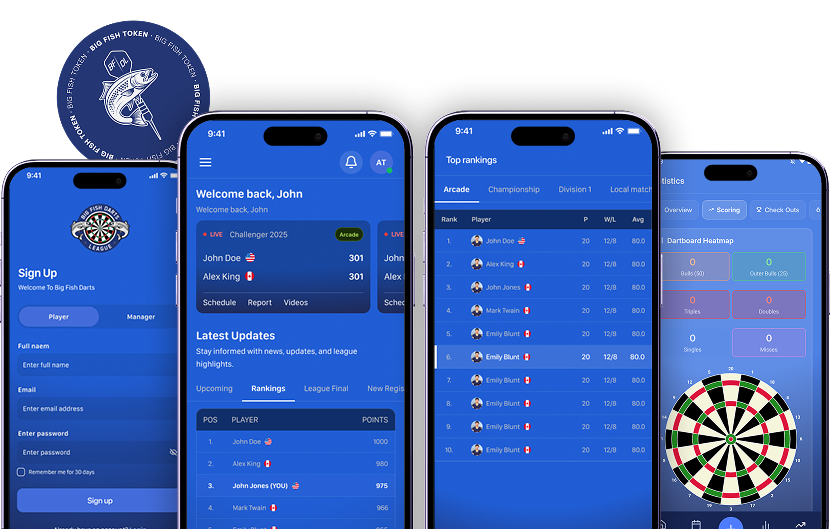
Use darts performance tracking to monitor your progress. A darts scoring app or live scoring in darts helps identify strengths and weaknesses.
7. Avoiding Match Play
Practicing alone is useful, but it does not prepare you for real match situations.
Mistake:
Avoiding competitive games or pressure situations.
Fix:
Play regularly in matches or join a darts league. Match experience improves confidence and decision-making.
Conclusion
Mistakes are a natural part of learning darts, especially for beginners. However, identifying and correcting these beginner darts mistakes early can significantly improve performance.
By focusing on technique, following a structured darts practice routine, and using darts performance tracking, players can improve faster and become more consistent.
With regular practice and the right approach, steady progress is achievable.
FAQs
1. What are the most common darts mistakes beginners make?
Common mistakes include focusing only on scoring, ignoring doubles, using inconsistent technique, rushing throws, and not following a proper practice routine.
2. How can beginners improve darts accuracy?
Beginners can improve darts accuracy by maintaining a consistent grip, slowing down their throw, and practicing regularly with a structured routine.
3. Why do beginners miss doubles in darts?
Missing doubles is usually caused by lack of practice, pressure, and poor setup shots. Regular finishing practice helps improve results.
4. What is a good darts practice routine?
A good routine includes scoring practice, doubles practice, and checkout practice. This helps improve overall performance.
5. Is darts performance tracking important?
Yes, darts performance tracking helps players understand their strengths and weaknesses, making improvement faster and more effective.
6. Should beginners join a darts league?
Yes, joining a darts league provides match experience and helps players improve under pressure.
7. How long does it take to improve in darts?
Improvement depends on consistency and practice. Players who follow a routine and track their performance usually improve more quickly.